
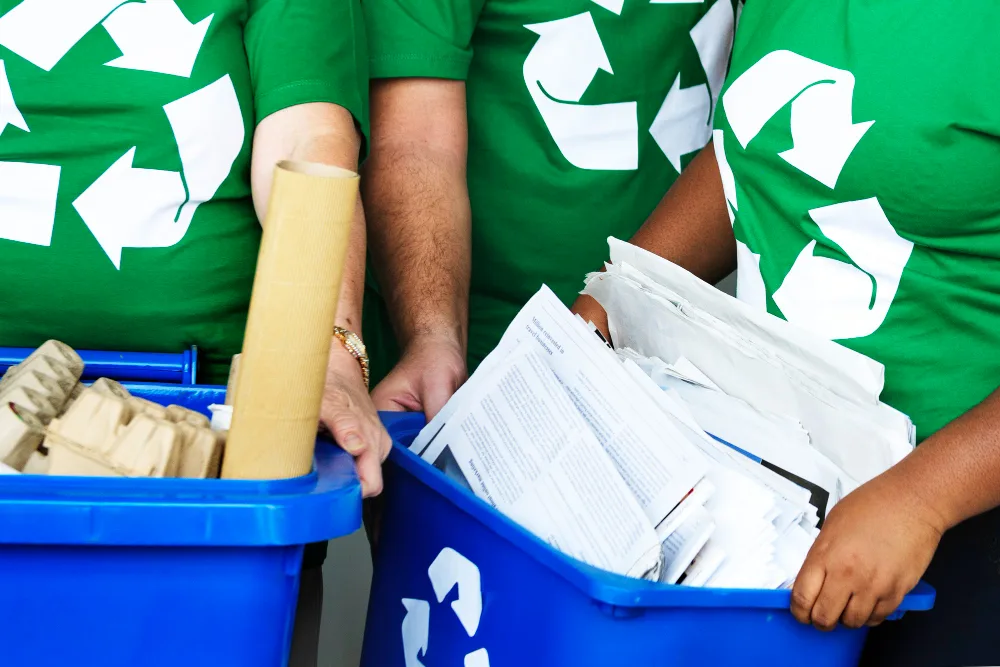
Envision a New Jersey where waste is not a burden but a resource, where sustainability isn't just a buzzword but a way of life. This post uncovers the heart of New Jersey's waste management strategy — Recycling Centers. In today's discourse, we'll deep-dive into the inner workings of these eco-hubs and highlight the pivotal role they play in the state's environmental footprint.
Understanding Recycling in New Jersey
New Jersey boasts one of the most extensive recycling programs in the United States, aiming to divert waste from landfills and use resources more efficiently. Here, recycling isn't just a suggested practice — it's backed by rigid laws and an intricate infrastructure.
The Legal Landscape
Since the passage of the New Jersey Statewide Mandatory Source Separation and Recycling Act in 1987, mandatory recycling requirements for households and businesses have been woven into the fabric of the state's operations. This act paved the way for a more comprehensive approach to material recovery and recycling.
Goals and Gains
The state continues to push its waste diversion goals, aiming to recycle at least 50% of its waste. This has encouraged the rise of recycling centers as key touchpoints in the state's sustainability mission, promoting jobs and local industry growth in the process.
The Core Functions of a Recycling Center
A recycling center isn't merely a depot for collecting items. It's a dynamic facility with various functions that contribute to a harmonious recycling process.
Collection and Sorting
Recycling centers act as collection hubs for various types of recyclable materials, including paper, plastics, metals, and glass. The meticulous sorting process is crucial to ensure contaminants are kept at bay, readying materials for their next life as new products.
Processing and Bale
Once the sorting is complete, materials are processed into commodities, which often involves compacting into bales. These bales are then shipped to manufacturers who integrate them into the production of new goods.
Education and Outreach
Beside the operational aspect, recycling centers serve as educational platforms, connecting with the community to advocate proper waste disposal and recycling habits.
The Technological Landscape
Modern recycling centers in New Jersey are at the forefront of technology, utilizing cutting-edge machinery to enhance recycling efficiency and accuracy.
Optical Sorters and AI
With the aid of optical sorters powered by artificial intelligence, centers can dramatically increase the speed and accuracy of sorting operations, reducing the reliance on manual labor.
Advanced Compactors and Balers
New Jersey centers benefit from state-of-the-art compactors and balers that optimize the processing of materials, ensuring a higher volume of recyclables can be transported in each shipment, slashing transportation costs.
Sustainability in Action
Recycling centers are champions of sustainability, embodying the state's commitment to environmental stewardship and a circular economy.
Reducing Landfill Burden
By diverting waste from landfills, recycling centers play a critical role in reducing environmental impact, keeping New Jersey's natural habitats pristine.
Green Energy Initiatives
Many centers have embraced renewable energy solutions, further mitigating their carbon footprint via solar and wind technologies.
Engaging the Community
Community involvement is pivotal in sustaining the recycling paradigm. New Jersey's recycling centers foster a sense of civic responsibility and engagement through various outreach programs.
School Initiatives
Recycling centers collaborate with schools to encourage the next generation to think green, often hosting field trips and workshops to demystify the recycling process.
Corporate Partnerships
Through partnerships with businesses, centers are able to manage large quantities of recyclables, catalyzing corporate social responsibility strategies and bolstering community relationships.
Best Practices for Personal Recycling
Residents and businesses are the gears that keep the recycling machine running smoothly. Here are some best practices recommended by New Jersey's recycling centers.
Learn Your Local Regulations
Understanding what can and cannot be recycled according to NJ law is crucial for effective waste management practices.
Reduce and Reuse
The first step in the waste hierarchy is to reduce and reuse. This mindset minimizes the need for recycling and should be adopted wherever possible.
Proper Disposal of Hazardous Waste
Conscious disposal of hazardous materials prevents contamination and dangers to recycling center workers and the environment.
The Economic Impact of Recycling Centers
The economic benefits of recycling centers extend beyond just environmental gains, creating a ripple effect through the state's economy.
Job Creation
Recycling centers are significant job creators, fostering employment opportunities in various sectors from sorting and processing to management and administration.
Business Opportunities
Beyond direct employment, these centers often attract new businesses that support or rely on the recycling sector, contributing to a sustainable and diversified economic landscape.
Future Innovations and Projects
The future of recycling in New Jersey is bright, with an array of innovative initiatives and projects on the horizon.
Research and Development
Continuous R&D efforts promise more efficient techniques for recycling and offer the potential for further waste diversion.
Smart Infrastructure
The integration of smart infrastructure concepts, such as IoT monitoring and automated operation systems, will propel recycling centers into a new era of environmentally-responsible management.
How to Find a Recycling Center in New Jersey
Locating a recycling center in New Jersey is as simple as tapping into the resources available to the community.
Online Directories
State-run websites and online directories provide comprehensive details on the locations and services offered by recycling centers in New Jersey.
Direct Contact
For specific inquiries or to get involved with a particular center, direct contact through phone calls or emails is encouraged, promoting personalized engagement.
The Role of Individual Action in New Jersey's Recycling Success
Every act of recycling in New Jersey, big or small, contributes to the greater good of the environment and the state's sustainability objectives.
Take the Pledge
Joining local campaigns and taking the recycling pledge underscores individual commitment and spreads awareness throughout communities.
Spread the Word
Word-of-mouth and social media amplification of positive recycling experiences can inspire others to take action, influencing more significant change.
Conclusion: The Art of Recycling
New Jersey's recycling centers are more than mere buildings — they are the facilitators of change. From the seed of an aluminum can to the rebirth of yesterday's newspaper, the art of recycling is intricate, beautiful, and vital to our future. By understanding, engaging, and championing these centers, New Jerseyans can ensure their waste writes a new, more sustainable narrative for the Garden State. If you're looking for a recycling center in New Jersey, contact All County Recycling today to schedule a free consultation.